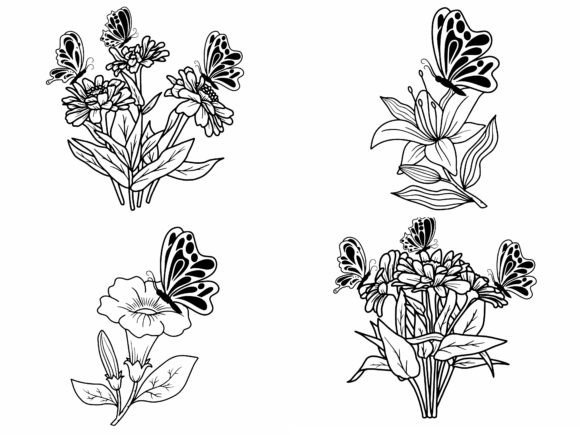
Flower Butterfly Line Art Illustration
The Flower Butterfly Line Art Illustration is a versatile design that offers a clean, elegant aesthetic perfect for a wide range of embroidery projects. Its minimalist approach and delicate lines make it ideal for creating handmade products that feel both artistic and professional. As a designer who has worked with countless embroidery files, I found this one to be particularly well-suited for custom apparel, personalized gifts, and small business merchandise.
First Impressions: A Design That Speaks Quietly
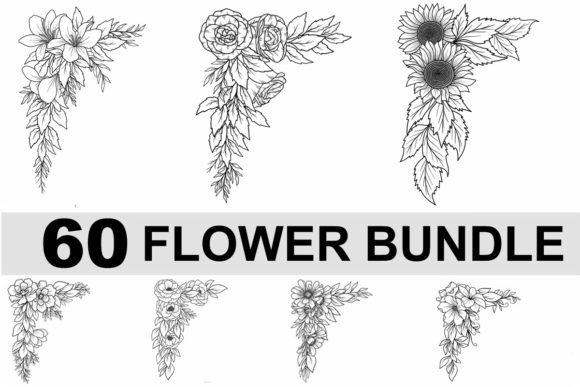
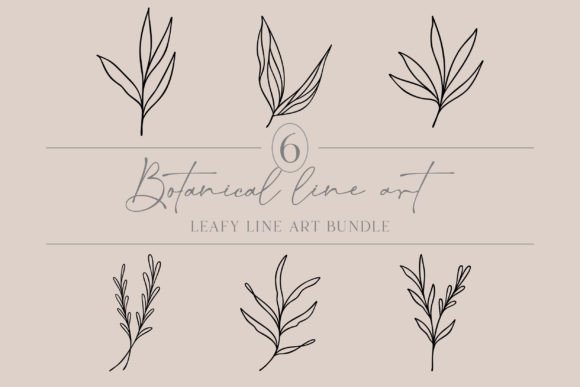
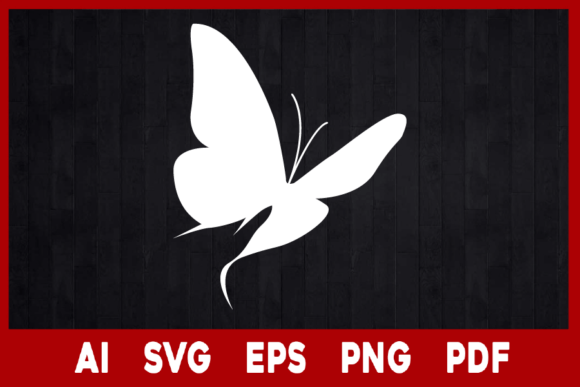
Upon first glance, the Flower Butterfly Line Art Illustration exudes a soft, whimsical charm. The design features a simple butterfly perched on a flower, rendered in fine line work that doesn’t overwhelm the eye. This makes it an excellent choice for projects where subtlety and elegance are key. The layout is balanced, with enough detail to be visually engaging but not so intricate that it becomes difficult to stitch or scale.
This design feels most at home on items like tote bags, sweatshirts, and baby clothes. It’s the kind of illustration that can easily transition from a casual, everyday item to a more special gift, depending on how it’s presented. The simplicity of the lines also makes it adaptable for different fabric types and embroidery techniques.
Real-Life Use: From Tote Bags to Wedding Invitations
When considering real-life use, the Flower Butterfly Line Art Illustration shines in projects that require a touch of sophistication without being overly complicated. For example, using it as a tote bag design adds a refined, handcrafted feel that appeals to customers looking for unique, personalized items. It also works well on sweatshirts and t-shirts, where the line art remains clear and defined even after stitching.
For baby items, the design’s gentle nature makes it a safe and appealing choice. Whether used on onesies, blankets, or embroidered patches, it maintains a soft, non-threatening appearance that parents will appreciate. Similarly, on holiday or wedding gifts, the design provides a subtle yet meaningful visual element that enhances the overall presentation.
This file also has potential for use in printable mockups and digital product previews. Its clean lines make it easy to integrate into marketing materials, and its adaptability means it can be scaled for different formats without losing clarity.
Where to Be Cautious: Limitations and Considerations
While the Flower Butterfly Line Art Illustration is generally well-suited for most embroidery projects, there are some situations where extra care is needed. For instance, on small hoop sizes, the design may require careful placement to ensure all elements are captured properly. Thin or stretchy fabrics can also pose challenges, as they may distort the lines or cause the design to shift during stitching.
On dark fabrics, the contrast between the design and the background may need adjustment. Depending on the thread colors used, the line art could appear too faint or lose its definition. Additionally, if the design is intended for frequent washing, it’s important to use a proper stabilizer and ensure the stitching is secure to prevent fraying or fading over time.
Impact on Visual Appeal and Customer Perception
The visual appeal of the Flower Butterfly Line Art Illustration is one of its strongest assets. Its clean lines and balanced composition contribute to a sense of professionalism that can elevate any handmade product. When used on custom apparel or boutique merchandise, it helps create a polished look that customers associate with quality and attention to detail.
This design also plays a role in building customer trust. A well-executed embroidery project with clear, consistent stitching can increase buyer confidence and encourage repeat purchases. For Etsy sellers and small shop owners, this kind of design can be a valuable asset in standing out from the competition.
Practical Designer Notes: What to Check Before Using
As with any machine embroidery design, it’s essential to test the Flower Butterfly Line Art Illustration on scrap fabric before committing to a final project. This allows you to assess how the lines translate in real-world conditions and identify any potential issues early on.
Check the thread color contrast against your chosen fabric to ensure the design stands out. Review the stitch density to avoid areas that might be too dense or too sparse. Confirm the hoop size required for the design and make sure your machine can accommodate it. Inspect small details, such as the butterfly’s wings, to ensure they remain sharp and intact after stitching.
Testing the design in black and white mockups can help you see how it looks on different backgrounds. Comparing it on light and dark fabrics will give you a better idea of its versatility. Always use the right stabilizer for your fabric type, and make sure the design is suitable for both personal and commercial use.
Final Thoughts: A Reliable Choice for Creative Entrepreneurs
The Flower Butterfly Line Art Illustration is a solid addition to any designer’s toolkit. Its clean, adaptable style makes it suitable for a wide range of embroidery projects, from custom apparel to personalized gifts. While it has some limitations, these can be managed with proper preparation and attention to detail.
For crafters, Etsy sellers, and small business owners, this design offers a practical and aesthetically pleasing option that can enhance the value of their products. Whether used as part of a larger collection or as a standalone item, it has the potential to stand out in a competitive market.