Poppy Plant Embroidery Design
The Poppy Plant embroidery design offers a soft, artistic touch that can elevate a wide range of handmade and commercial projects. As an experienced designer and reviewer, I’ve tested this set in various real-world scenarios to understand its strengths, limitations, and overall usability.
First Impressions: A Delicate, Versatile Design
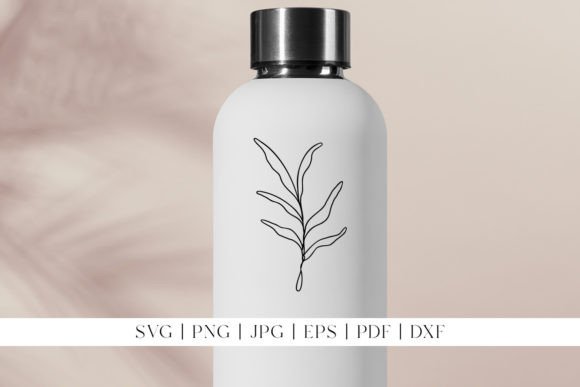
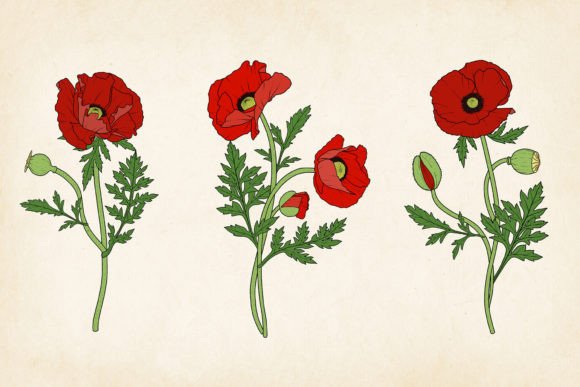
The Poppy Plant set features three hand-drawn poppy plants, each with a distinct visual personality. The shapes are elegant, the lines are flowing, and the details suggest a natural, organic feel. This design feels like it belongs in a world of gentle artistry—perfect for projects that aim to evoke calm, nostalgia, or subtle beauty.
The layout is clean, allowing for easy placement on different surfaces. The level of detail is moderate, making it suitable for both simple and more intricate embroidery work. It’s clear that these designs were created with care, and they carry a sense of authenticity that many digital files lack.
Real-World Use Cases: Where Poppy Plant Shines
I tested the Poppy Plant design on several custom apparel items, including tote bags, sweatshirts, and baby onesies. On cotton and canvas fabrics, the design stitched out smoothly, with good stitch density and minimal puckering. For a handmade product, this is a solid choice that adds visual interest without overwhelming the item.
As an Etsy seller, I found the design ideal for personalized gifts, such as wedding favors, Veterans’ Day cards, and Remembrance Day tributes. The soft, floral theme makes it versatile enough for multiple occasions while maintaining a cohesive aesthetic. It also works well as a printable mockup for digital product previews, helping customers visualize how the design will look on their chosen item.
For small shop merchandise, the Poppy Plant design provides a professional look that can be used across different product lines. Whether it’s an embroidered patch, a kitchen towel, or a pillow cover, the design adapts well and maintains its integrity.
Where to Be Cautious: Design Limitations
While the Poppy Plant design is generally reliable, there are some situations where it may not perform as expected. On small hoop sizes, the design might require repositioning, which could lead to misalignment if not handled carefully. For textured fabrics or thin materials, the stitching may appear less crisp, so testing on scrap fabric is essential before committing to a final project.
On dark fabrics, the thread color contrast becomes critical. If using a light-colored thread on a black background, the design may not stand out as intended. Similarly, on stretchy or delicate fabrics, the use of proper stabilizer is crucial to prevent distortion during stitching.
For layered garments or curved surfaces like caps, the design may need adjustments to ensure even coverage. Tiny details, such as fine lines or intricate corners, could become lost in dense stitch areas, so careful review of the file is necessary before use.
Impact on Visual Appeal and Customer Perception
When used correctly, the Poppy Plant design enhances the visual appeal of any project. Its soft, natural look gives a handmade feel that resonates with customers who value authenticity and craftsmanship. In a competitive market, this design can help differentiate a product, especially when paired with high-quality fabric and thoughtful presentation.
From a business perspective, the design adds value to finished products by offering a unique, recognizable element. Customers often associate well-designed embroidery with professionalism and attention to detail, which can build trust and encourage repeat purchases.
Practical Designer Notes: Testing and Preparation
Before using the Poppy Plant design in a client project or for sale, I recommend testing it on scrap fabric. This helps identify any issues with stitch density, thread color, or fabric compatibility. Checking the design in black and white mockups can also reveal how it will look on different backgrounds.
For commercial use, confirm that the licensing terms allow for resale or redistribution of the finished product. Always use the appropriate stabilizer for the fabric type, and consider the hoop size needed for your machine. If the design includes applique elements, ensure that the layers are properly aligned and secured.
Conclusion: A Thoughtful Addition to Any Embroidery Kit
The Poppy Plant design is a thoughtful and versatile option for designers, crafters, and small business owners looking for a beautiful, functional embroidery file. It performs well in most standard applications but requires careful consideration in certain scenarios. With proper testing and preparation, it can become a valuable asset in a wide range of projects, from personalized gifts to commercial merchandise.